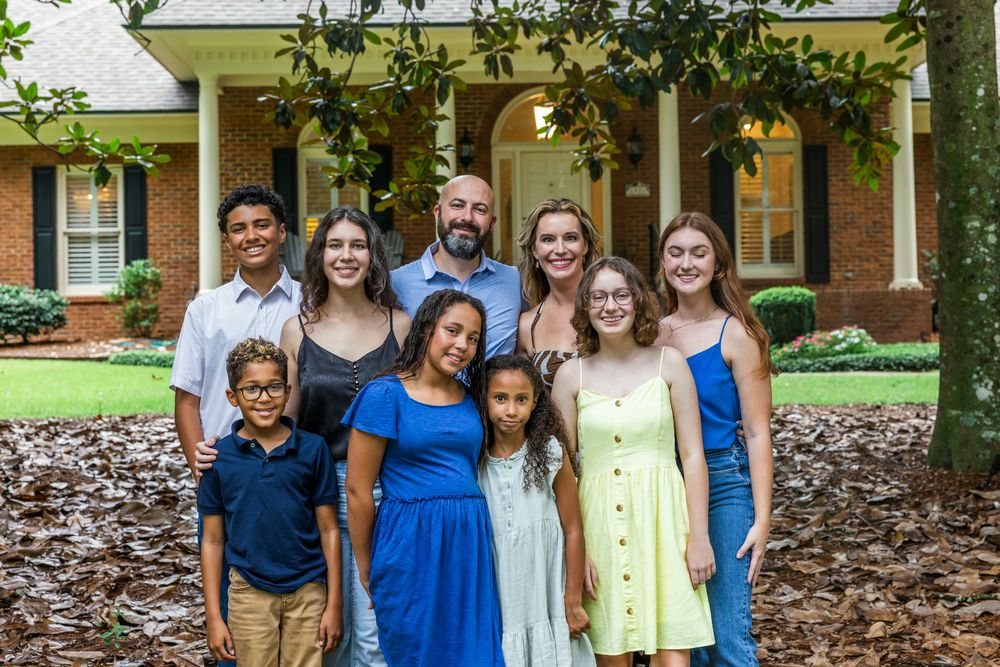
Blended families are a joy, but they do also bring some unique inheritance challenges. Proper and careful estate planning for blended families helps protect everyone involved from New York law that might otherwise divide your assets in ways you don’t expect or want.
Estate Planning for Blended Families in New York
New York intestacy rules lay out the default plan if you die without documents in place. If that happens, the basic plan is as follows:
- Your surviving spouse gets the first $50,000, plus half the remaining estate (when there are surviving children or grandchildren)
- Surviving children and grandchildren split the other half
- Stepchildren do not inherit unless they have been formally adopted
There are more to these default rules, of course, depending on the exact makeup of your family situation. In addition, even if you have a will, if you have a surviving spouse, he or she has the right to elect against your will. It’s important to talk with a lawyer early on so you can design an estate plan that accounts for this instead of hoping for the best.
Estate Planning Strategies
Revocable Living Trust
This is a popular choice for blended families because it lets you keep control of the assets in it during your lifetime while spelling out what happens to them afterward exactly. You can, for example, direct that your spouse may live in the family home for as long as they wish or receive income from certain investments. Once they are gone, the remaining principal could pass to your chosen beneficiaries, including stepchildren if that’s your desire.
Beneficiary Forms
Beneficiary forms can be attached to retirement accounts, life insurance, and many financial accounts, and they allow those assets to be passed straight to the people named on the form as soon as you pass. They do not follow instructions in your will or trust, and you’re not limited to designating just legal family members.
Minor Children
If minor children live in your household, your will should name a guardian who will raise them if neither parent can. In blended situations, the right guardian may come from your side of the family, from your current spouse’s side, from a former spouse’s side, or something else entirely, depending on the relationships and practical realities. Naming an alternate also gives you backup protection in case the first guardian is unable or unwilling to serve.
Joint Ownership & Payable-on-Death Accounts
Putting a house in joint names with a new spouse may limit what can later pass to your children from your first marriage Or, it might create liquidity issues if the surviving spouse needs to sell it before he or she can pay estate taxes or other bills related to probate or in order to divide the estate correctly.
You can also name just one child as a beneficiary on an account, but bear in mind this can create imbalance or resentment among siblings and step-siblings. Talk with your lawyer about how to do this carefully.
Talk to us today at DeCandido & Azachi in Forest Hills, NY to schedule a free consultation on your estate. We serve clients throughout Nassau County and Queens, as well as families in Texas from our Plano office.
Connect with us


- August 2026
- July 2026
- June 2026
- May 2026
- April 2026
- March 2026
- February 2026
- January 2026
- December 2025
- November 2025
- October 2025
- September 2025
- August 2025
- July 2025
- June 2025
- May 2025
- April 2025
- March 2025
- November 2024
- October 2024
- September 2024
- August 2024
- July 2024
- June 2024
- May 2024
- April 2024
- March 2024
- February 2024
Archives

-
Follow Us On Social Media!